
Why Garage Floor Maintenance Matters More Than You Think
Garage floor maintenance is the regular cleaning, protection, and upkeep of your garage surface — whether it’s bare concrete or an epoxy-coated floor — to keep it safe, attractive, and long-lasting.
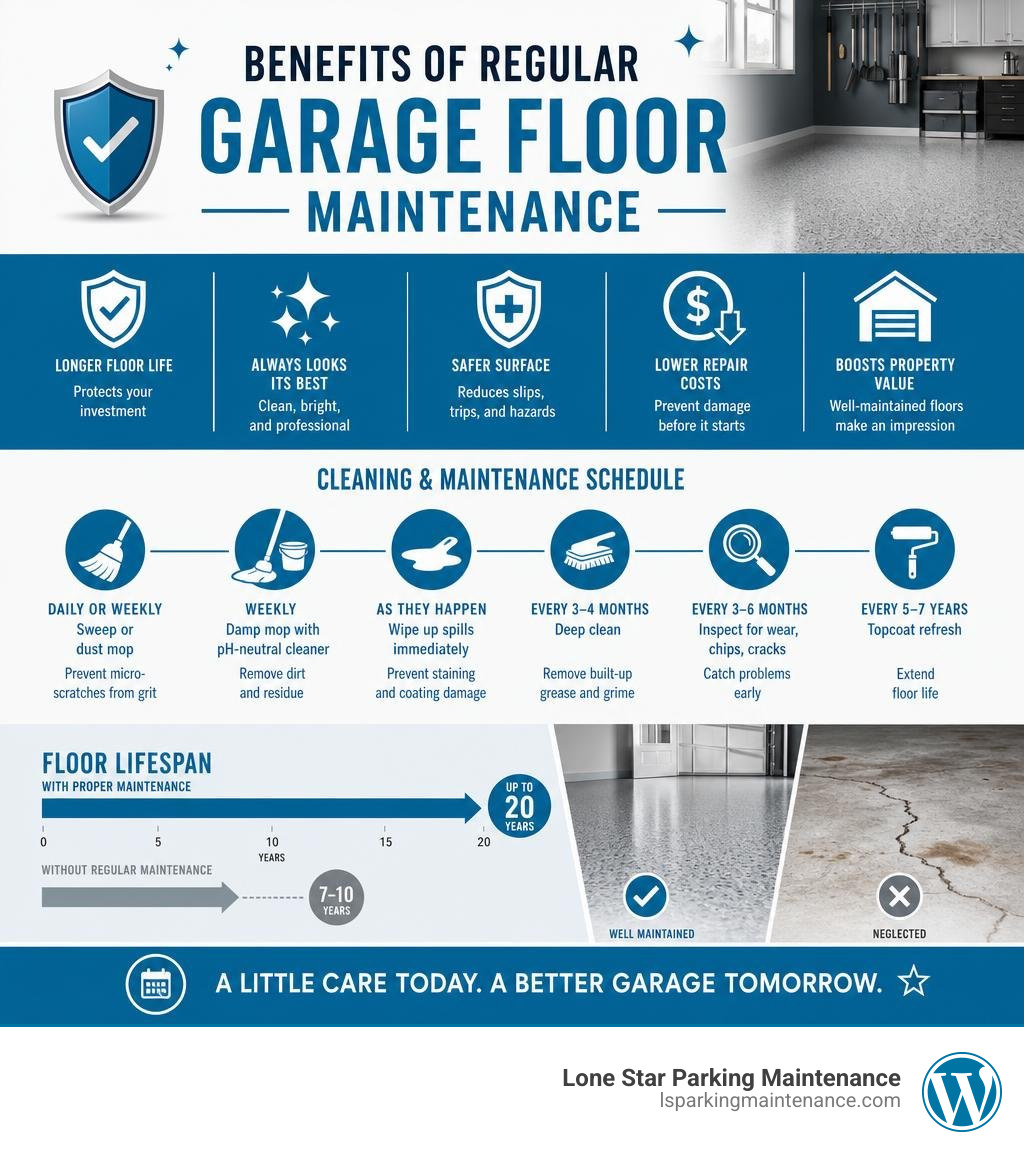
Quick answer: Here’s what proper garage floor maintenance looks like:
| Task | Frequency | Key Goal |
|---|---|---|
| Sweep or dust mop | Daily or weekly | Prevent micro-scratches from grit |
| Damp mop with pH-neutral cleaner | Weekly | Remove dirt and residue |
| Wipe up spills immediately | As they happen | Prevent staining and coating damage |
| Deep clean | Every 3-4 months | Remove built-up grease and grime |
| Inspect for wear, chips, cracks | Every 3-6 months | Catch problems early |
| Topcoat refresh | Every 5-7 years | Extend floor life |
Your garage floor takes a serious beating. Vehicle traffic, oil drips, road salt, heavy tools, and foot traffic all add up. Left unchecked, that abuse leads to staining, cracking, and a surface that’s harder — and more expensive — to fix.
The good news? A properly maintained epoxy floor can last up to 20 years. But that lifespan drops sharply without consistent care. As one industry insight puts it: “low maintenance doesn’t mean no maintenance.”
For property managers and business owners in the DFW Metroplex, this is especially relevant. A neglected garage floor isn’t just an eyesore — it’s a safety hazard and a liability.
This guide walks you through everything: cleaning schedules, safe products, spill response, seasonal care, and when to call in the pros.
Garage floor maintenance helpful reading:
Epoxy vs. Bare Concrete: The Foundation of Garage Floor Maintenance
Before diving into cleaning techniques, we must understand the surface we are working with. A bare concrete garage floor is fundamentally different from a floor protected by a high-performance epoxy coating system. These differences dictate how you clean, how often you maintain the surface, and how vulnerable your garage is to permanent damage.
Bare concrete is highly porous. It acts like a giant sponge, pulling in automotive fluids, moisture, and chemical spills deep into its substrate. Once oil or antifreeze penetrates concrete, removing it completely becomes an uphill battle. Furthermore, bare concrete is prone to “dusting”—a natural process where the surface slowly breaks down under traffic, releasing fine silica dust into your garage and eventually tracking it into your home or commercial facility.
An epoxy-coated floor, by contrast, features a non-porous surface. High-quality epoxy bonds molecularly with the concrete substrate to create a seamless, impenetrable barrier. This barrier prevents liquids from sinking in, stops concrete dusting in its tracks, and makes cleanups incredibly easy. However, because dirt and abrasive grit sit directly on top of the smooth epoxy finish, they can act like sandpaper under heavy vehicle tires, slowly dulling the glossy topcoat if not regularly swept away.
To help you visualize these differences, here is a direct comparison of the two surfaces:
| Feature | Bare Concrete Floor | Epoxy-Coated Floor |
|---|---|---|
| Porosity | High (absorbs liquids easily) | Non-porous (liquids pool on top) |
| Dusting | High (creates fine silica dust) | None (seals concrete completely) |
| Stain Resistance | Low (susceptible to permanent oil/rust stains) | Excellent (resists most household chemicals) |
| Cleaning Effort | High (requires heavy scrubbing or pressure washing) | Low (simple sweeping and damp mopping) |
| Durability | Vulnerable to cracking, chipping, and spalling | Up to 3x harder than standard concrete |
| Aesthetic Appeal | Dull, industrial, and prone to discoloration | Glossy, professional, and customizable |
Understanding these differences is crucial for establishing an effective care routine. If you are dealing with bare concrete, your primary goal is preventing deep penetration and structural cracking, which we cover extensively in our guide on Concrete and Asphalt Maintenance Keeping Your Lot Safe.
For those looking to restore a dirty, stained floor back to its original glory before applying a protective sealer or coating, following a structured process is key. You can find detailed, practical steps in this guide on How to Clean a Garage Floor: The Complete Step-by-Step Guide (2026).
The Ultimate Cleaning Schedule for Epoxy Garage Floors
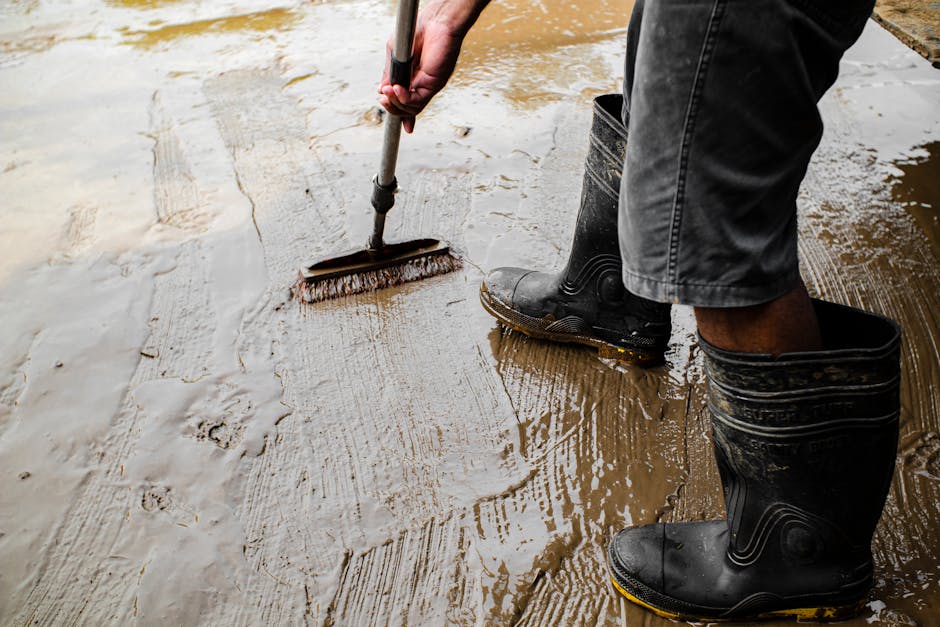
To keep an epoxy floor looking like a mirror and performing at its best, we recommend tailoring your cleaning schedule to the level of traffic your garage receives. Heavy commercial or high-activity home garages require frequent, quick touch-ups to prevent dirt buildup from scratching the epoxy coating. On the other hand, light-use residential garages can get away with a simpler weekly routine.
- Heavy Usage (Daily to every 2 days): If you operate a busy commercial garage, workshop, or park multiple vehicles daily, sweep or dust-mop every 1 to 2 days. This rapid routine removes abrasive grit before tires can grind it into the surface.
- Light Usage (Weekly): For low-traffic residential garages, a thorough sweep once a week is usually enough to prevent dirt from dulling the finish.
Regardless of your traffic level, establishing a consistent routine prevents micro-scratches from turning into permanent dull spots.
Daily and Weekly Garage Floor Maintenance Routines
For routine daily or weekly maintenance, you do not need heavy chemicals or elaborate machinery. In fact, a gentle touch is always best for preserving the glossy finish of an epoxy floor.
- Dust Mopping and Sweeping: Use a soft-bristle push broom or a wide microfiber dust mop to collect loose dirt, leaves, and grit. Avoid stiff-bristled outdoor brooms, as their coarse fibers can leave microscopic scratches on the clear topcoat over time.
- Weekly Damp Mopping: For weekly deep cleaning, mix warm water with a mild, pH-neutral cleaner. Dip a microfiber mop or foam mop into the solution, wring it out thoroughly so it is damp (never flood the floor with standing water), and mop in smooth, overlapping strokes.
- Avoid String Mops: String mops tend to push dirty water around and leave unsightly streaks. Microfiber flat mops are far more effective at lifting and trapping dirt.
- Rinse and Dry: Once mopping is complete, rinse the mop head with clean water, do a quick pass to remove any soap residue, and let the floor air dry. You can use a soft rubber squeegee to pull excess water toward the garage exit for faster drying.
Deep Cleaning and Stain Removal Strategies
Every 3 to 4 months, or after particularly messy projects, your garage floor benefits from a deep clean. This process removes stubborn films, minor tire marks, and accumulated grime that regular sweeping misses.
For deep cleaning, we recommend using a diluted ammonia solution. Mix 2 to 3 ounces of clear household ammonia per gallon of warm water. This solution cuts through grease and dirt beautifully without leaving a soapy film behind. Apply the solution to the floor, scrub gently with a soft-nylon deck brush, rinse thoroughly with clean water, and dry the surface with a squeegee.
If you are dealing with stubborn oil or chemical spills, immediate action is your best defense. While epoxy resists chemical penetration, leaving harsh substances like motor oil, gasoline, or battery acid on the floor for extended periods can eventually soften and stain the coating.
- Blot, Don’t Rub: Use paper towels or clean shop rags to blot up the liquid immediately. Rubbing can spread the spill and grind contaminants deeper into the surface texture.
- Use Absorbents for Large Spills: For larger oil or coolant leaks, sprinkle clay-based cat litter, sawdust, or baking soda over the spill. Let it sit for a few hours to draw out the liquid, then sweep it up and discard it safely.
- Clean the Residue: Wash the area with a mild, eco-friendly degreaser or a warm water and dish soap mixture. Scrub gently with a soft nylon brush, rinse with clean water, and dry.
- Neutralize Acids: If battery acid spills, neutralize it immediately by sprinkling baking soda over the area before wiping it clean.
For commercial facilities or heavily soiled residential garages that require a deeper restoration, a professional touch makes all the difference. You can learn more about how heavy-duty cleaning restores safety and aesthetics in our article on Why Your Garage Needs a High Pressure Makeover.
Protecting Your Floor from Physical and Environmental Damage
Cleaning is only half the battle. To keep your garage floor looking pristine, you must protect it from physical impacts, heavy point loads, and environmental factors like UV exposure.
Because epoxy can expand and contract slightly with temperature shifts, it is highly durable but still vulnerable to scratches from metal-on-metal contact.
- Scratch Prevention: Never drag heavy toolboxes, metal floor jacks, or lawn equipment across your epoxy floor. Always lift heavy items or use dollies equipped with soft rubber wheels.
- UV Protection: Standard epoxy can yellow or discolor over time when exposed to direct sunlight. If your garage door stays open for long periods, consider applying solar film to garage windows or ensure your flooring system includes a UV-stable topcoat (such as polyaspartic or polyurethane) to deflect harsh sun rays.
- Expansion Joints: Keep your floor’s expansion joints clean and free of debris. Use a vacuum attachment to clear out dirt and inspect these joints annually for signs of cracking or peeling along the edges.
Preventing Hot Tire Pickup and Heavy Object Damage
One of the most common challenges garage floors face is “hot tire pickup.” This occurs when a vehicle is driven on hot asphalt (where tires can easily reach temperatures of 150°F or higher) and then parked in the garage. As the tires cool, they contract and physically grab onto the floor coating. With lower-quality DIY paint kits, this cooling process can actually peel the coating right off the concrete substrate.
While high-quality, professionally installed coatings are highly resistant to this phenomenon, you can protect your investment by taking a few simple precautions:
- Cooling Down: Allow your vehicle’s tires to cool down for 15 to 20 minutes before parking on the floor, especially on scorching hot summer days.
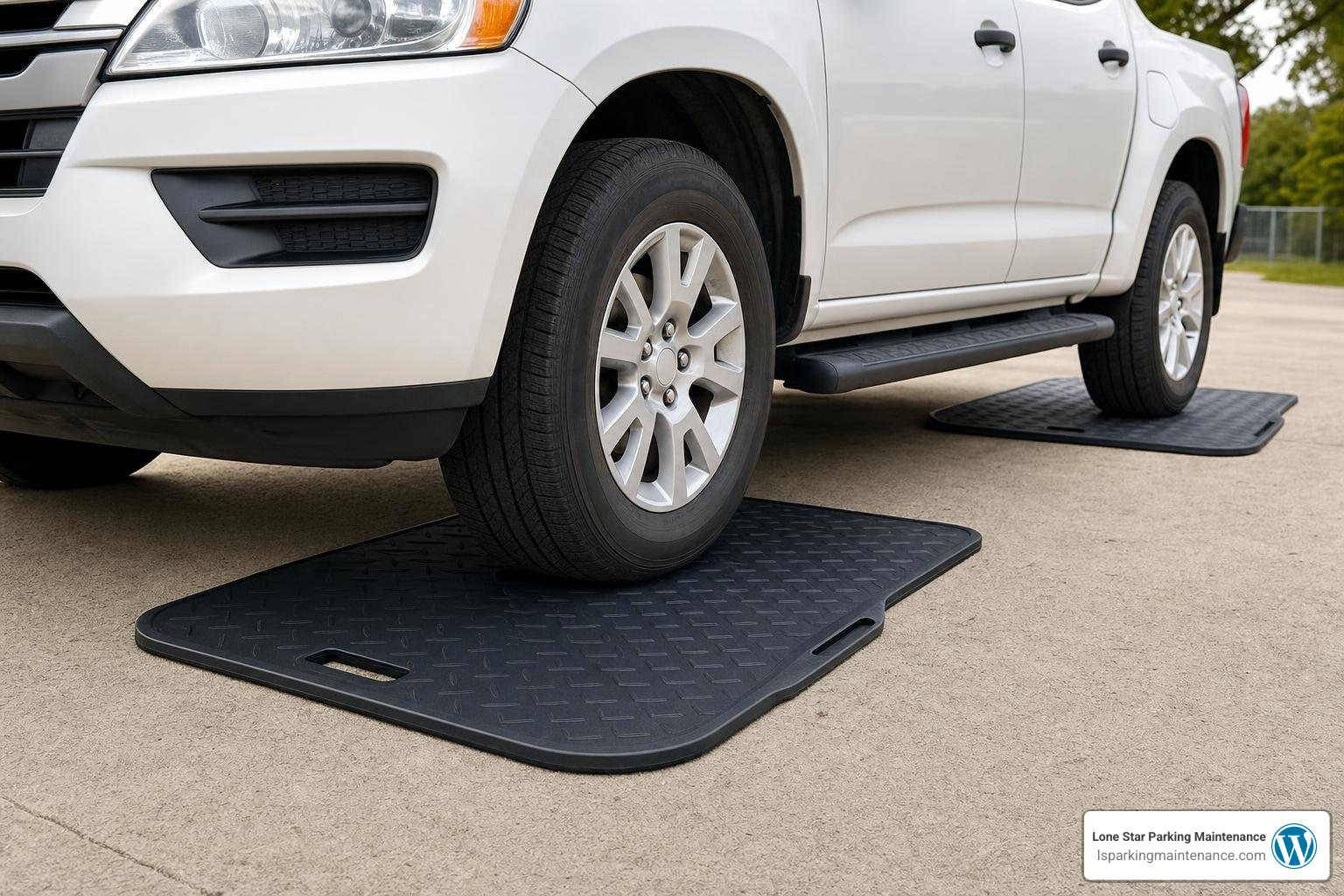
- Tire Mats: Place protective parking mats or rubber pads under your tires. This is especially helpful during the first few weeks after a new coating installation.
- Distribute Heavy Loads: When using heavy equipment, jack stands, or storing heavy items, place small pieces of plywood or heavy-duty rubber pads under the contact points to distribute the weight evenly and prevent gouging.
If you are considering upgrading your garage floor to a system designed to handle these extreme demands, check out the Garage Floor Epoxy Coating: The Complete DIY Guide (2026) for a deep dive into material types, thickness standards, and application techniques.
Seasonal Garage Floor Maintenance and Weather Protection
Each season in the DFW Metroplex brings unique challenges for garage floor care. By adjusting your routine to match the weather, you can prevent seasonal wear from taking a toll on your floor.
- Winter Salt and Sand Care: During winter storms, vehicles track road salt, sand, and de-icing chemicals into the garage. When this slush melts, it leaves behind abrasive salt crystals. If left to dry, these crystals can dull your epoxy’s gloss. Mop your floor frequently during the winter months using warm water to dissolve and remove salt buildup.
- Spring Deep Cleaning: Once spring arrives, perform a comprehensive deep clean to wash away winter grime, pollen, and muddy residue. Check your garage door’s bottom weather seal; replacing a worn seal keeps windblown dirt and rain out of your garage year-round.
- Summer Heat Mitigation: DFW summers are notoriously hot. Keep your garage well-ventilated to prevent excess humidity buildup, which can trap moisture under heavy objects and lead to localized dulling.
Frequently Asked Questions about Garage Floor Care
How long does a professional epoxy garage floor coating last?
A professionally installed epoxy floor coating can last up to 20 years in residential settings when properly maintained. Commercial floors subject to heavy traffic typically last between 7 to 15 years before requiring a topcoat refresh. The key to this longevity is using high-solids or 100% solids epoxy systems paired with a durable polyurethane or polyaspartic topcoat, which provides superior resistance to impact, chemicals, and hot tire pickup compared to thin, water-based DIY kits.
What cleaning products are safe to use on epoxy floors?
The safest products for epoxy floors are pH-neutral cleaners specifically formulated for sealed concrete or resilient flooring, as well as diluted household ammonia (2 to 3 ounces per gallon of warm water).
What to avoid:
- Vinegar and Citrus Cleaners: These are highly acidic and will slowly etch the epoxy surface, permanently dulling the glossy finish.
- Bleach: Harsh alkalis like bleach can weaken the chemical bonds of the topcoat over time.
- Soap-Based Detergents: Standard dish soaps and laundry detergents leave a sticky residue behind that attracts dirt and creates a hazy, slippery film when wet.
When should I recoat my garage floor instead of cleaning it?
You should consider a professional topcoat refresh or recoating when:
- The floor has lost its gloss and high-traffic areas look permanently dull or scuffed.
- You notice minor chips, deep scratches, or localized peeling (delamination).
- The surface has become stained by chemicals that penetrated past the clear coat.
A standard topcoat refresh involves scuff-sanding the existing surface to create a profile and applying a fresh clear coat. This process costs a fraction of a full replacement and extends the life of your floor by another 5 to 7 years.
Conclusion
Mastering garage floor maintenance doesn’t require endless hours of backbreaking labor. By establishing a simple weekly sweep, using the right pH-neutral cleaning products, and taking proactive steps to protect your floor from heavy impacts and hot tires, you can keep your garage looking flawless for decades.
Whether you manage a commercial parking facility or want to keep your home’s garage in showroom condition, regular care pays off in safety, durability, and home value.
At Lone Star Parking Maintenance, we help property owners and business managers across the DFW Metroplex protect and maintain their valuable concrete investments. From heavy-duty pressure washing to professional striping and repairs, we bring top-quality materials and industry-leading safety standards to every project.
Ready to elevate your garage? Schedule professional parking lot striping and garage maintenance services with us today and let us help you achieve a space you can truly be proud of.