
Why Curb Painting Matters for Safety and Property Value
All About Curb Painting Services
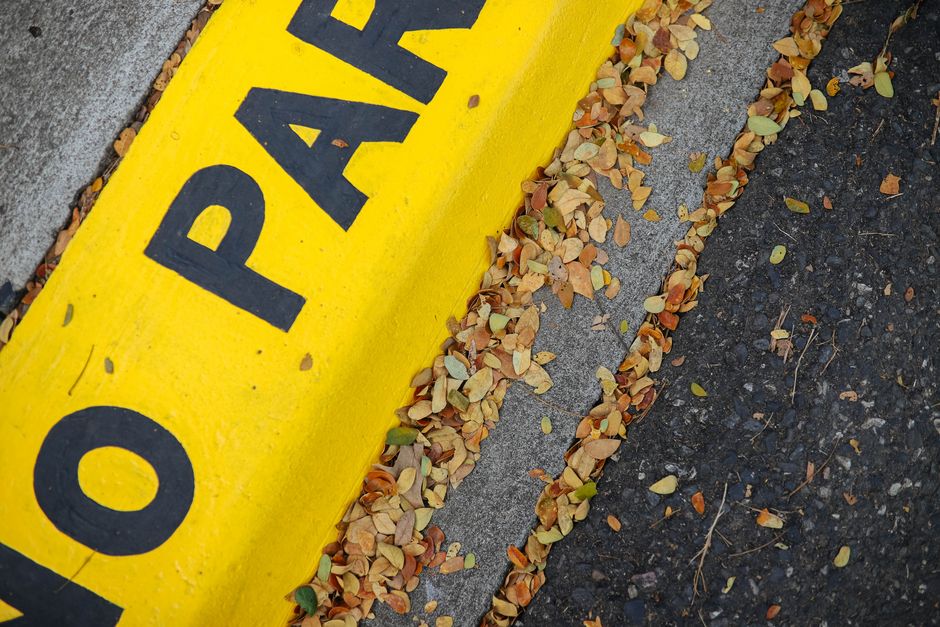
Curb painting is the process of applying painted markings — most commonly address numbers — directly onto the concrete or asphalt curb in front of a property.
Here’s a quick overview of what you need to know:
- What it is: Painting address numbers or color-coded markings on street curbs
- Why it matters: Helps emergency responders, delivery drivers, and guests find your property faster
- Who needs it: Homeowners, HOAs, property managers, and commercial property owners
- DIY or professional: Both options are available, with kits starting under $60 or professional services ranging from $25–$85+
- Permit required? In some cities like Beaverton, OR, a permit is required before painting on a public curb
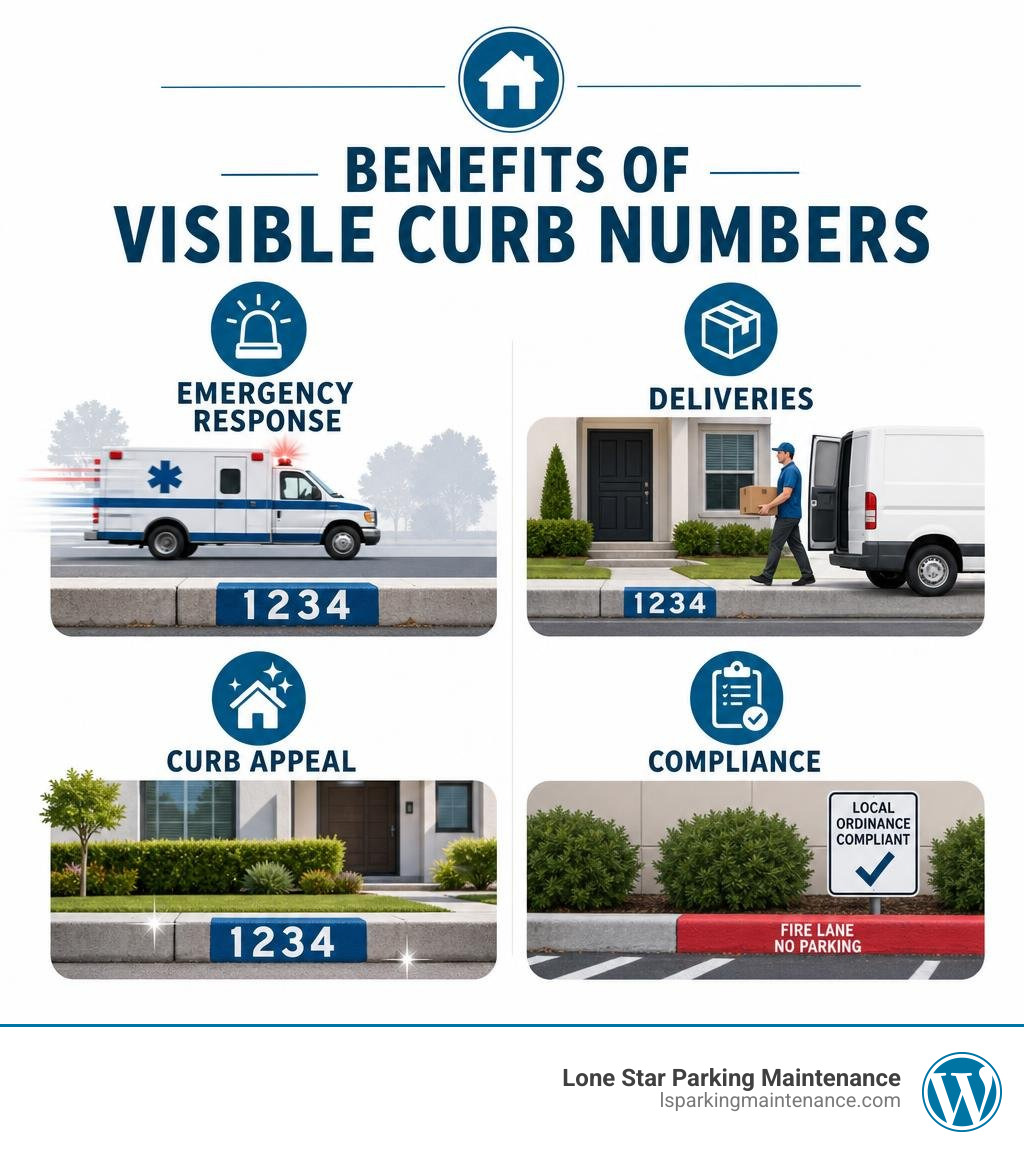
Faded or missing curb numbers are more than an eyesore. When seconds count, first responders need to locate a property fast. Clear, visible curb numbers can make a real difference in emergency response times — and they also help delivery drivers, guests, and mail carriers find you without confusion.
For commercial property managers in the DFW Metroplex, curb markings go beyond address numbers. Color-coded curb zones, fire lane markings, and parking designations all play a role in keeping your lot safe, organized, and code-compliant.
This guide covers everything — from local permit rules to DIY steps to professional alternatives — so you can make the right call for your property.
What is Curb Painting and Why Does It Matter?
At its core, curb painting is a simple yet highly effective way to display your property’s address numbers directly at the street level. While many homes have numbers mounted on the porch, near the front door, or on a mailbox, these can easily be obscured by shadows, trees, vehicles, or poor nighttime lighting. By placing clean, high-contrast numbers on the curb, you provide a clear line of sight from the road.
This small home improvement project carries several major benefits:
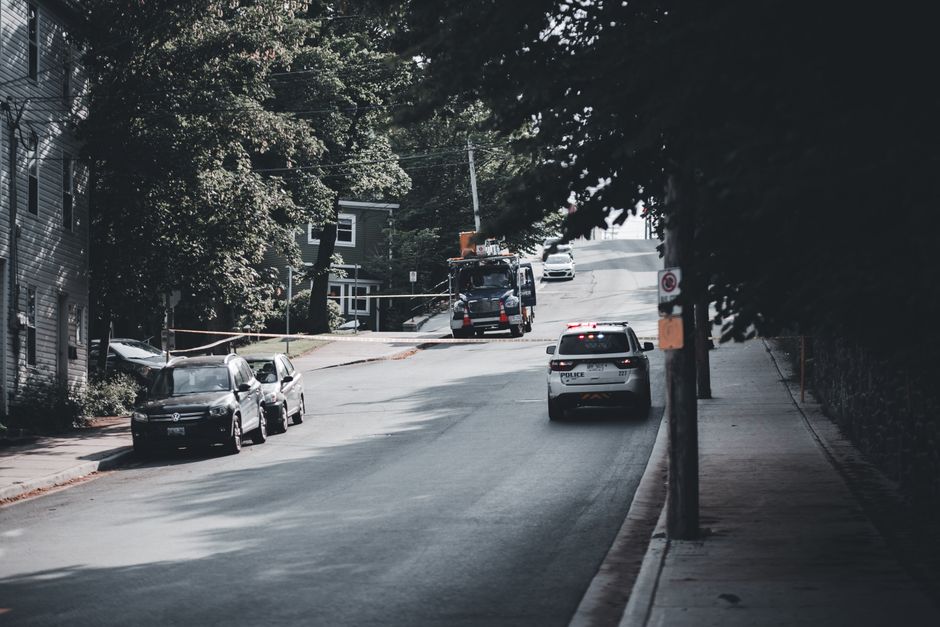
- Accelerated Emergency Response: During a medical crisis, fire, or security emergency, first responders (police, firefighters, and paramedics) cannot afford to waste precious minutes squinting at house facades. Highly visible curb numbers ensure emergency vehicles can identify your home instantly, even in pitch-black conditions.
- Seamless Deliveries: With the massive rise in online shopping and home food deliveries as of June 2026, delivery gig workers and mail carriers rely heavily on visible street markings. Clear curb numbers prevent misdelivered packages and ensure your food arrives hot.
- Enhanced Curb Appeal: Faded, peeling paint looks neglected. Freshly painted numbers on a clean background instantly give your home a polished, well-maintained appearance, subtly boosting your property’s overall curb appeal.
- Commercial Organization: For businesses and HOAs, curb markings are essential for traffic management. Properly marked curbs guide drivers to designated loading zones, visitor spots, and fire lanes.
If you are managing a larger commercial property or residential community, address curb painting is often paired with professional parking lot striping to keep the entire parking area safe, visually appealing, and highly organized.
Understanding Local Regulations for Curb Painting
Before you grab a can of spray paint and head out to the street, it is crucial to understand that curbs are typically considered public property or part of the city’s public right-of-way. This means municipal regulations and guidelines govern what you can and cannot paint.
The Beaverton, OR Case Study
Take Beaverton, Oregon, as a prime example of strict municipal oversight. In Beaverton, curb painting permits are required for any address painting performed on public curbs. Property owners cannot simply paint their curbs without official approval, and any third-party service offering curb painting in that area must comply with local municipal codes.
While local rules in the DFW Metroplex may differ from those in Oregon, many Texas cities and local Homeowners Associations (HOAs) enforce their own set of strict aesthetic and safety standards. For broader accessibility context on public routes and parking areas, property managers can also review the U.S. Access Board’s Public Rights-of-Way Accessibility Guidelines.
Common Municipal and HOA Standards
Whether you are hiring a professional or planning a DIY weekend project, you must ensure your curb markings follow standard layout rules:
- Color Standards: The standard and most widely accepted color scheme for residential curb numbers is a solid white rectangular background with bold black numbers. This combination offers the highest contrast. For commercial properties, other colors signify specific zones (e.g., bright red for fire lanes and no-parking zones, safety yellow for loading zones, and blue for accessible parking).
- Number Size: To ensure readability from a moving vehicle, standard guidelines require the numbers to be exactly 4 inches in height.
- Placement Rules: Numbers should be painted on the curb directly in front of the home, typically near the driveway entrance where they are least likely to be blocked by parked cars.
- Safety Compliance: For commercial properties, maintaining these markings is not just about aesthetics – it is a legal necessity. Ensuring your curbs are painted in accordance with local fire codes and the Americans with Disabilities Act (ADA) requires compliant safety line striping to prevent costly municipal violations.
Step-by-Step Guide to DIY Curb Painting
If you are a hands-on homeowner, painting your own curb numbers is a highly accessible weekend project. With the right preparation, your DIY curb painting can look just as sharp as a professional job.
Essential Tools and Curb Painting Kits
Before starting, you will need to gather your supplies. Fortunately, the initial supply costs for a DIY project are incredibly budget-friendly, typically running under $60.
To achieve a professional-grade finish, we recommend purchasing a dedicated curb stencil kit. These kits have become incredibly popular; for instance, over 500+ units of the YEAJON 4 Inch Curb Stencil Kit were purchased in the past month on Amazon alone. This specific kit features a highly rated 4.4-star rating across 884 customer reviews, making it a reliable choice for crisp, clean numbers. Additionally, more than 600+ units of generic 4 Inch Letter Stencils Symbol Numbers Craft Stencils were purchased in the past month, showing just how common this DIY project has become.
Here is your ultimate shopping list:
- Reusable Stencil Kit: Reusable plastic stencils (specifically 4-inch numbers).
- High-Quality Paint: High-gloss traffic paint or heavy-duty outdoor acrylic aerosol spray paint. Using a light-reflective white paint for the background and a flat or semi-gloss black paint for the numbers is ideal.
- Reflective Spray/Pigments: A reflective clear coat or reflective glass beads to scatter light from car headlights at night.
- Surface Prep Tools: A stiff wire brush, a broom, and painters masking tape.
- Protective Gear: Cardboard (to use as a overspray shield) and safety goggles.
Step-by-Step Curb Painting Instructions
Follow these step-by-step instructions to get a flawless, durable finish:
- Thoroughly Clean the Concrete: Use a stiff wire brush to scrape away dirt, moss, old flaking paint, and road grime from the curb surface. Sweep the area clean. If the curb is oily, wash it with a degreaser and water, then let it dry completely. Paint will not adhere to a damp or dirty surface!
- Mask the Background Area: Use your painter’s masking tape to outline a neat rectangle on the curb. This rectangle will serve as your background block (typically 12 to 18 inches wide, depending on how many digits are in your address).
- Apply the Background Coat: Shake your white traffic paint well. Holding the can about 8 to 10 inches away, spray a thin, even coat of white paint within your taped-off rectangle. Let it dry for 15 to 20 minutes, then apply a second coat for maximum opacity.
- Position the Stencils: Once the background is completely dry, align your 4-inch address number stencils inside the white block. Secure them tightly with masking tape. Make sure there are no gaps between the stencil and the concrete to prevent paint from bleeding underneath.
- Spray the Numbers: Hold a piece of cardboard around the stencil to act as an overspray shield. Gently spray your black paint over the stencils using light, vertical strokes. Avoid spraying too heavily, as wet paint can run and ruin the clean edges.
- Apply a Sealing and Reflective Coat (Optional but Recommended): While the black paint is still tacky, you can dust reflective glass beads over the numbers, or wait for it to dry and apply a weather-resistant, reflective clear coat. This step ensures your address glows brightly when swept by oncoming headlights.
- Remove Tape and Curing: Carefully peel off the stencils and masking tape while the paint is slightly wet to prevent chipping. Allow the curb to cure completely for at least 24 hours before parking cars near it or running lawn sprinklers.
For those interested in turning this skill into a local neighborhood business, learning the ropes of residential application can be a great stepping stone toward bidding on larger commercial projects, such as bidding on annual curb painting contracts for HOAs and business parks.
Alternatives to Traditional Curb Painting
While traditional painted numbers are highly effective, they do wear down over time due to weather, tire scuffs, and UV exposure. If you are looking for alternative ways to display your address at the curb, several durable options are available:
| Feature / Option | Painted Curb Numbers | Reflective Decals | Aluminum Curb Plates |
|---|---|---|---|
| Durability | 2 to 5+ years (depends on paint grade) | 1 to 3 years (can peel in extreme heat) | 10+ years (highly weather-resistant) |
| Night Visibility | Medium to High (if reflective coat is used) | Extremely High (retro-reflective vinyl) | High (highly visible printed graphics) |
| Installation Method | Spray paint and stencils | Peel-and-stick adhesive | Screws or heavy-duty silicone adhesive |
| Customization | Standard colors, basic symbols | Standard colors, pre-made sizes | High (custom logos, team flags, modern fonts) |
| Average Cost | $25 – $45 (Professional) | $15 – $30 | $50 – $85 |
Reflective Decals
Reflective decals are heavy-duty, commercial-grade stickers designed to adhere directly to concrete. They feature a retro-reflective surface similar to highway signs, offering exceptional night visibility. However, they can peel off over time if the concrete surface is not perfectly smooth and sealed.
Aluminum Curb Plates
For a premium, long-lasting look, many property owners are turning to pre-made metal curb plates. These rust-free aluminum plates are typically 24 inches long, 6.75 inches high, and 0.1 inches thick, weighing a lightweight 0.2 lbs. They can be customized with various designs, including classic black-and-white, modern fonts, state flags, or sports team logos.
Because they are installed using masonry screws or weather-resistant silicone adhesive, they easily outlast traditional paint and provide a clean, modern aesthetic that stands up to the harshest Texas elements.
For those looking to explore professional services, hiring a local parking lot maintenance or professional striping company ensures both painted applications and high-end plate installations are completed to the highest standard.
Frequently Asked Questions about Curb Painting
Do I need a permit to paint my curb in Beaverton, OR?
Yes. In Beaverton, Oregon, public curbs are part of the city’s public right-of-way, meaning you must obtain a formal permit from the city before applying any paint. Always check with your local municipal office or HOA guidelines before starting a curb painting project, as regulations vary significantly from city to city.
What is the best paint to use for curb numbers?
The best paint for curb numbers is a high-solids, oil-free, non-slip certified traffic paint. This paint is specifically formulated to bond with concrete and asphalt, resisting abrasion from car tires and weathering from rain and sun. For DIYers, heavy-duty outdoor acrylic aerosol sprays designed for masonry are the most convenient option.
How long does a painted curb address last?
The lifespan of a painted curb address depends largely on the quality of the materials used:
- Standard Application: Lasts 2 to 3 years using basic outdoor paint.
- Premium Application: Lasts 3 to 5 years using standard traffic paint and a basic clear sealer.
- Deluxe Application: Lasts 5+ years when applied by professionals using industrial-grade traffic paint, reflective glass bead additives, and a heavy-duty UV-resistant protective glaze.
If your entire driveway, curb, or parking area is starting to look worn out, it might be the perfect time to coordinate your curb touch-ups with a complete refresh by restriping your parking lot to restore maximum safety and visual appeal.
Conclusion
Whether you choose to tackle curb painting as a quick DIY weekend project or hire a professional to handle it, keeping your address numbers clear and visible is a smart investment in your property’s safety, convenience, and aesthetic appeal.
At Lone Star Parking Maintenance, we specialize in keeping properties throughout the DFW Metroplex looking pristine, safe, and fully compliant with all local standards. From professional parking lot striping, sealing, and power washing to professional protective pole covers and curb stop installation, our team is committed to delivering top-quality materials and unparalleled customer satisfaction.
If you are a property manager, HOA board member, or commercial owner in the Dallas-Fort Worth area looking to elevate your property’s safety and curb appeal, contact us today to learn how we can help!